Les Arbuckle
No More No Les

No More No Les


Bom in Winston-Salem, North Carolina in 1949, Les attended some 13 different schools before getting a high school diploma, Living in such varied locales as New Orleans, Silver City, New Mexico and Hawaii. His father, a journalist and jazz radio dj who did a couple of stints in the Navy, also played drums. Arbuckle picked up the clarinet at 10 while the family was stationed is New Jersey. But the lessons ended some three months later when the family moved. At 12, he began playing alto, this time in Florida.
In 1963, Arbuckle’s training was interrupted again when the family was sent to Vietnam. “It was probabły the most ideal time to live there in the last 50 years,” he says, “after the French and before the heavy American involvement.” If his musical evolvement didn’t progress much, his spiritual evolvement, something most important to musicians and jazz musicians in particular, was accelerated.
Arbuckle returned to the states, settling with his family in California, and threw himself into dual passions: music and surfing. A firm believer in the value of serious music education in the schools, Arbuckle found himself in paradise. “The school in Reseda had an orchestra, a concert band, a big band, they had drama productions with music and they were involved in band competitions at the Hollywood Bowl. It was quite a bit different than what I was used to.”
But the family moved again, this time to Norfolk, Virginia. By this time, Les had switched to tenor at the urging of a local music store salesman who
gruffly told him, “If you want to work in this town, you have to play tenor.” “He was right,” says Arbuckle, who confesses that it was the first time it
occurred to him he could use his instrument to make money. *At the time, Jr. Walker and King Curtis were very popular so if you wanted to play sax, tenor was the first instrument you’d play. I was mostly self-taught at the time. We’d take the records home and learn the tunes off them. Jr. Walker and King Curtis were the main guys, but we did tunes from Otis Redding. Wilson Pickert, Booker T and the MGs. And we did tunes like Misty and Watermelon Man when it first came out. My dad had some Sonny Stitt and Coleman Hawkins records and I’d take stuff off of them. But in the music we were playing, it was hard to apply that stuff.
His first serious exposure to jazz came in the Army. ‘I was around a different type of musician there, guys from all over the country. We did some mainstream charts in the big band, stuff from Sammy Nestico and others, and I played in the regular concert band and the marching band, of course. But on our lunch break we’d go hang out at someone’s house and these guys would be putting on Miles and Trane and I went
whoa. I’d never heard anything like this before.”
The turning point came when he heard Michael Brecker with the band Dreams. “Here was a guy playing like Coltrane, but also like King Curtis. He’s obviously coming form a strong jazz background and if I want to play like that, I should start checking out more jazz.”
After his discharge, he moved to Boston to fulfil a dream he’d had in high school: attend the Berklee College of Music. Thare he studied with Herb Pomeroy and Joe Vola, among others, while continuing the honored Berklee tradition of playing around the city’s tight, little jazz scene with the likes of Pomeroy, drummer Alan Dawson and bassist John Lockewood. Degree in hand, he picked up some moves working, among other jobs, organ, sax and drum trios in strip joints.
He returned to Berklee in 1978, this time as an instructor of harmony, arranging counterpoint and the music of John Coltrane. Up-and-comers like Marvin “Smitty” Smith and Greg Osby came through his classes. On the club scene, distinguished Boston-based pianist-composer Jaki Byard tabbed Arbuckle’s band to back him on a local date.
Les soon found himself at the New England Conservatory where he studied Charles Ives among other things. It was there, while taking a lesson from bassist and Conservatory instructor Cecil McBee, he got the advice that led to No More, No Les. ‘I asked Cecil what I should be doing at this point in my career,* says Arbuckle. “And he said you need to record something.”
The end result of Arbuckle’s long journey is here on his first recording as a leader. It’s fitting that McBee, who encouraged Arbuckle in the endeavor, should anchor the session. The distinguished bassist, whose credits include Wayne Shorter, Yusef Lateef, Pharoah Sanders, Abdullah Ibrahim and McCoy Tyner among many others, needs no introduction to those familiar with both Victor Lewis and Larry Wills’ AudioQuest recordings. The range of his experience makes him the perfect choice for Arbuckle’s varied program.
Kenny Barron is another musician at the forefront of his craft. One of New York’s premier pianists, Bamon was universally acclaimed for his duo work with Stan Getz on the late saxophonist’s 1991 CD People Time. His own recordings – among them Quickstep, What If ? and Landscape – are consistently excellent.
Drummer John Ramsay met Arbuckle in the early ’80s when both were teaching at Berklee. Ramsay has also been tabbed for dates by the likes of Jarnes Moody, Clifford Jordan (for his big band) Terence Blanchard, James Williams and Wallace Roney. He was the second drummer in Art Blakey’s big band that toured Europe in 1980, an ensemble that included both Wynton and Bradford Marsalis as well as Kevin and Robin Eubanks. “John does play in that Blakey style, with that Blakey fire,” says Arbuckle. “He calls it his curse, I call it his blessing.”
The program here – all but three tunes were written by its leader nicely reflects the arduous path Arbuckle has followed to reach this point, an amalgam of the styles and the studies he’s pursued. The Groove of Prelude and Groove was written in 1976 and recalls his first days as a King Curtis inspired initiate. But the Prelude section, in stark contrast, is a considered statement that gives depth to what follows. “I was reminded of the New Orleans funeral band tradition, playing some kind of slow dirge on the way there and something happy, lively, on the way back. The Prelude is a slow mournful thing based on an idea from Ornette Coleman. The two together just seemed to work .”
The title tune, with stunning bass work by McBee, also looks back, recalling the great themes of Art Blakey’s Messengers. But most of the disc’s ether tunes, including the standards, have decidedly modem airs. Black and White is based on a refreshingly economic line, backed with a bit of sinister intent. Arbuckle uses the mood to make disarmingly honest statements driven by outbursts from Ramsay’s snare and cymbals. The tune’s flow is particularly suited to Barron and his improvisation has an enrapturing, almost addictive quality. Cole Porter’s It’s All Right With Me is played with contemporary intensity.
Throughout the recording. Les plays with the patience that comes of command. His ideas are clearly stated and strung together with a storyteller’s sense of segue. Perhaps his most revealing work is on Heal Surf Music, a tune whose dangerous ins and outs gives Arbuckle a chance to show off his compositional skills.
Though this first recording may seem like it comes late in his career, it premiers something rare: a saxophonist with a mature, distinct voice, something that’s actually come rather young to Les Arbuckle. Here’s hoping No More, No Les is the beginning of a long ride for the surfing-saxophonist. – Bill Kohlhaase- Contributing jazz writer Los Angeles Times and LA. Weekly
Label: AudioQuest Music – 2-AQM-1019
Format: CD, Album
Released: 1993
Les Arbuckle – Tenor Sax
Kenny Barron – Piano
Cecil McBee – Bass
John Ramsay – Drums
Kenny Barron appears courtesy of PolyGram France.
Kenny Barron plays Steinway Pianos
John Ramsay plays Pearl Drums, Zildjian Cymbals and Vic Firth Sticks
1-2. Prelude And Groove (Les Arbuckle) 8:15
3. No More No Les (Les Arbuckle) 4:59
4. Black And White (Les Arbuckle) 7:24
5. It’s All Right With Me (Cole Porter) 7:36
6. Emily’s Hot Bath (Les Arbuckle) 6:57
7. Real Surf Music (Les Arbuckle) 6:32
8. Blues Ridge (Fred Hibbard) 5:34
9. Soul Eyes (Mal Waldron) 5:48
10. Evie (Anthony Newley) 3:27
 https://johnramsaydrummer.com/wp-content/uploads/2026/05/maggie-scott-together.jpg
1000
982
Lluchia56
https://johnramsaydrummer.com/wp-content/uploads/2026/03/john_ramsay_logo_main_gray.png
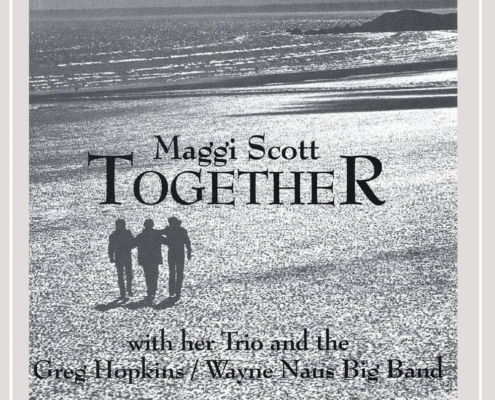
Lluchia562026-05-21 13:01:432026-05-22 09:52:11Maggie Scott – Together
https://johnramsaydrummer.com/wp-content/uploads/2026/05/maggie-scott-together.jpg
1000
982
Lluchia56
https://johnramsaydrummer.com/wp-content/uploads/2026/03/john_ramsay_logo_main_gray.png
Lluchia562026-05-21 13:01:432026-05-22 09:52:11Maggie Scott – Together https://johnramsaydrummer.com/wp-content/uploads/2026/04/until_further_notice.avif
2048
2048
Lluchia56
https://johnramsaydrummer.com/wp-content/uploads/2026/03/john_ramsay_logo_main_gray.png
Lluchia562026-04-17 12:20:142026-04-18 18:36:05Until Further Notice…
https://johnramsaydrummer.com/wp-content/uploads/2026/04/until_further_notice.avif
2048
2048
Lluchia56
https://johnramsaydrummer.com/wp-content/uploads/2026/03/john_ramsay_logo_main_gray.png
Lluchia562026-04-17 12:20:142026-04-18 18:36:05Until Further Notice…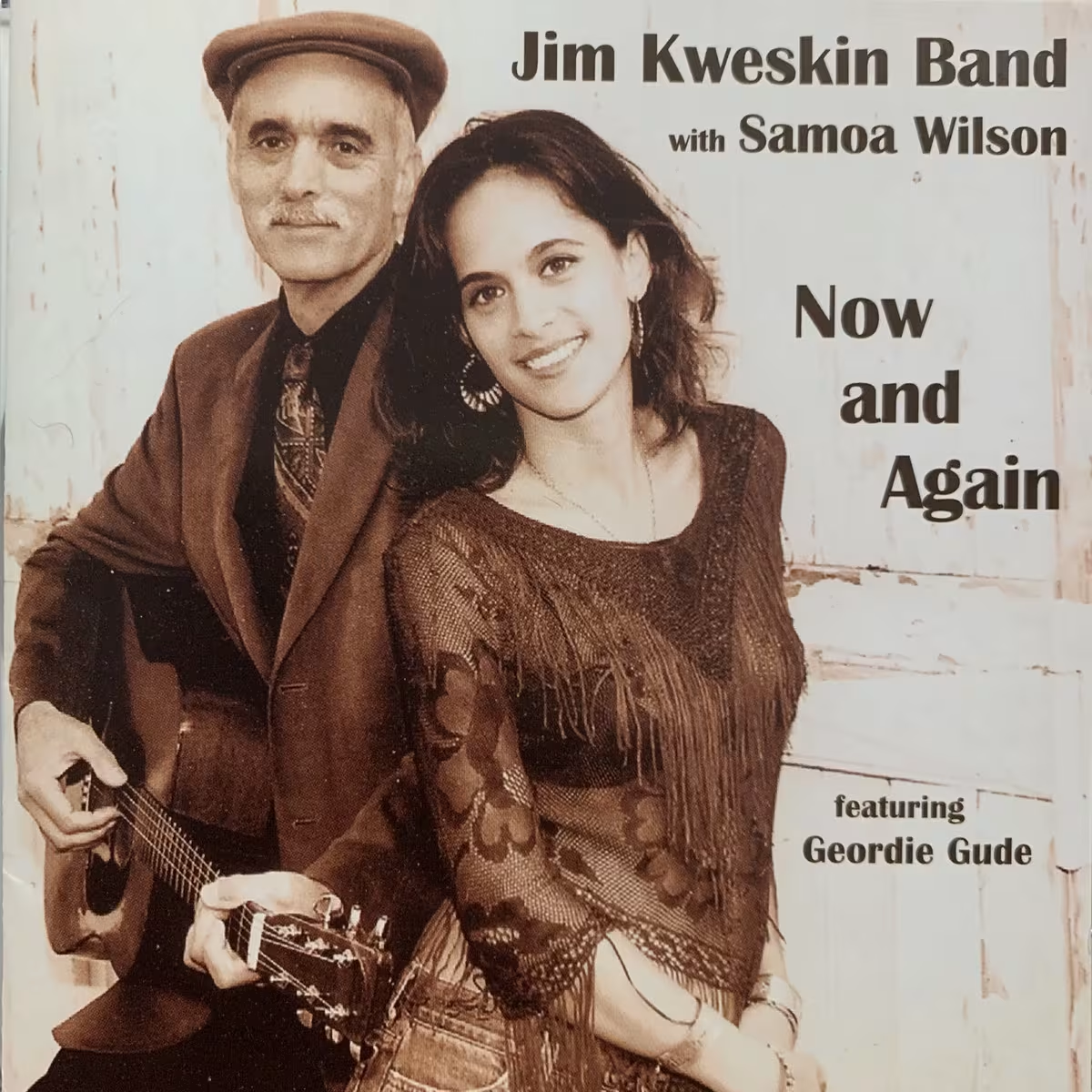 https://johnramsaydrummer.com/wp-content/uploads/2026/04/jim_kweskin_band_album_cover.avif
1200
1200
Lluchia56
https://johnramsaydrummer.com/wp-content/uploads/2026/03/john_ramsay_logo_main_gray.png
Lluchia562026-04-14 18:28:322026-04-17 12:55:56Jim Kweskin Band with Samoa Wilson – Now and Again
https://johnramsaydrummer.com/wp-content/uploads/2026/04/jim_kweskin_band_album_cover.avif
1200
1200
Lluchia56
https://johnramsaydrummer.com/wp-content/uploads/2026/03/john_ramsay_logo_main_gray.png
Lluchia562026-04-14 18:28:322026-04-17 12:55:56Jim Kweskin Band with Samoa Wilson – Now and Again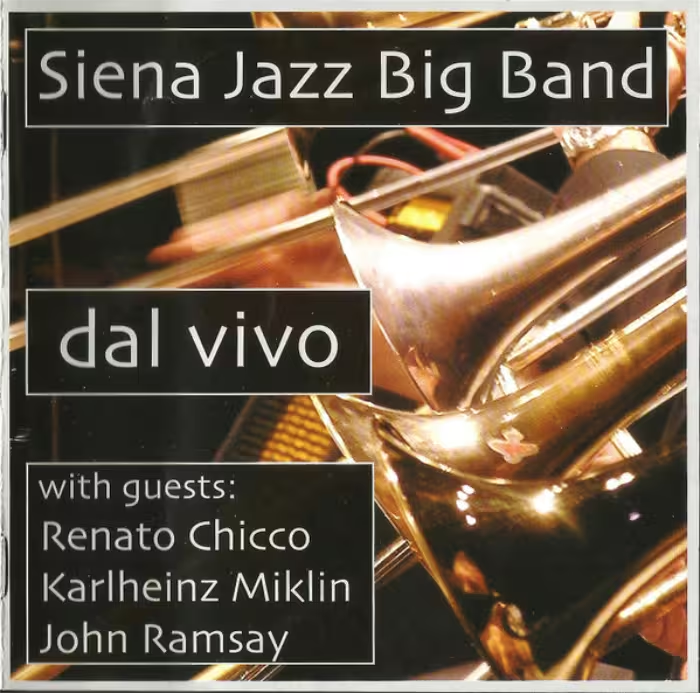 https://johnramsaydrummer.com/wp-content/uploads/2026/04/siena_jazz_big_band_dal_vivo.avif
693
700
Lluchia56
https://johnramsaydrummer.com/wp-content/uploads/2026/03/john_ramsay_logo_main_gray.png
Lluchia562026-04-06 10:57:062026-04-17 12:53:39Siena Jazz Big Band – Dal Vivo
https://johnramsaydrummer.com/wp-content/uploads/2026/04/siena_jazz_big_band_dal_vivo.avif
693
700
Lluchia56
https://johnramsaydrummer.com/wp-content/uploads/2026/03/john_ramsay_logo_main_gray.png
Lluchia562026-04-06 10:57:062026-04-17 12:53:39Siena Jazz Big Band – Dal Vivo https://johnramsaydrummer.com/wp-content/uploads/2026/04/love_at_sundown-big.avif
1404
1400
Lluchia56
https://johnramsaydrummer.com/wp-content/uploads/2026/03/john_ramsay_logo_main_gray.png
Lluchia562026-04-06 10:43:182026-04-17 13:23:04Billy Pierce Quintet – Bangkok Symphony Orchestra – Love At Sundown
https://johnramsaydrummer.com/wp-content/uploads/2026/04/love_at_sundown-big.avif
1404
1400
Lluchia56
https://johnramsaydrummer.com/wp-content/uploads/2026/03/john_ramsay_logo_main_gray.png
Lluchia562026-04-06 10:43:182026-04-17 13:23:04Billy Pierce Quintet – Bangkok Symphony Orchestra – Love At Sundown https://johnramsaydrummer.com/wp-content/uploads/2026/04/mcghee_could_it_be-big.avif
1404
1400
Lluchia56
https://johnramsaydrummer.com/wp-content/uploads/2026/03/john_ramsay_logo_main_gray.png
Lluchia562026-04-06 10:34:022026-04-17 12:48:40Andy McGhee – Could It Be
https://johnramsaydrummer.com/wp-content/uploads/2026/04/arbuckle_no_more_no_les-big.avif
2048
2048
Lluchia56
https://johnramsaydrummer.com/wp-content/uploads/2026/03/john_ramsay_logo_main_gray.png
Lluchia562026-04-05 20:42:152026-04-17 12:59:13Les Arbuckle – No More No Les
https://johnramsaydrummer.com/wp-content/uploads/2026/04/mcghee_could_it_be-big.avif
1404
1400
Lluchia56
https://johnramsaydrummer.com/wp-content/uploads/2026/03/john_ramsay_logo_main_gray.png
Lluchia562026-04-06 10:34:022026-04-17 12:48:40Andy McGhee – Could It Be
https://johnramsaydrummer.com/wp-content/uploads/2026/04/arbuckle_no_more_no_les-big.avif
2048
2048
Lluchia56
https://johnramsaydrummer.com/wp-content/uploads/2026/03/john_ramsay_logo_main_gray.png
Lluchia562026-04-05 20:42:152026-04-17 12:59:13Les Arbuckle – No More No Les https://johnramsaydrummer.com/wp-content/uploads/2026/04/history_art_blake-big.avif
1400
1400
Lluchia56
https://johnramsaydrummer.com/wp-content/uploads/2026/03/john_ramsay_logo_main_gray.png
Lluchia562026-04-05 18:32:332026-04-17 13:02:35The History Of Art Blakey And The Jazz Messengers
https://johnramsaydrummer.com/wp-content/uploads/2026/04/history_art_blake-big.avif
1400
1400
Lluchia56
https://johnramsaydrummer.com/wp-content/uploads/2026/03/john_ramsay_logo_main_gray.png
Lluchia562026-04-05 18:32:332026-04-17 13:02:35The History Of Art Blakey And The Jazz Messengers https://johnramsaydrummer.com/wp-content/uploads/2026/04/blakey_north_sea-big.avif
1404
1400
Lluchia56
https://johnramsaydrummer.com/wp-content/uploads/2026/03/john_ramsay_logo_main_gray.png
Lluchia562026-04-05 16:02:532026-04-17 13:08:57Art Blakey & The Jazzmessengers Big Band – Live At Montreux And Northsea
https://johnramsaydrummer.com/wp-content/uploads/2026/04/blakey_north_sea-big.avif
1404
1400
Lluchia56
https://johnramsaydrummer.com/wp-content/uploads/2026/03/john_ramsay_logo_main_gray.png
Lluchia562026-04-05 16:02:532026-04-17 13:08:57Art Blakey & The Jazzmessengers Big Band – Live At Montreux And Northsea The Complete Berklee
Drum Set Audition Course
 Extensions From The Teachings
of Alan Dawson Course
Until Further Notice…


